
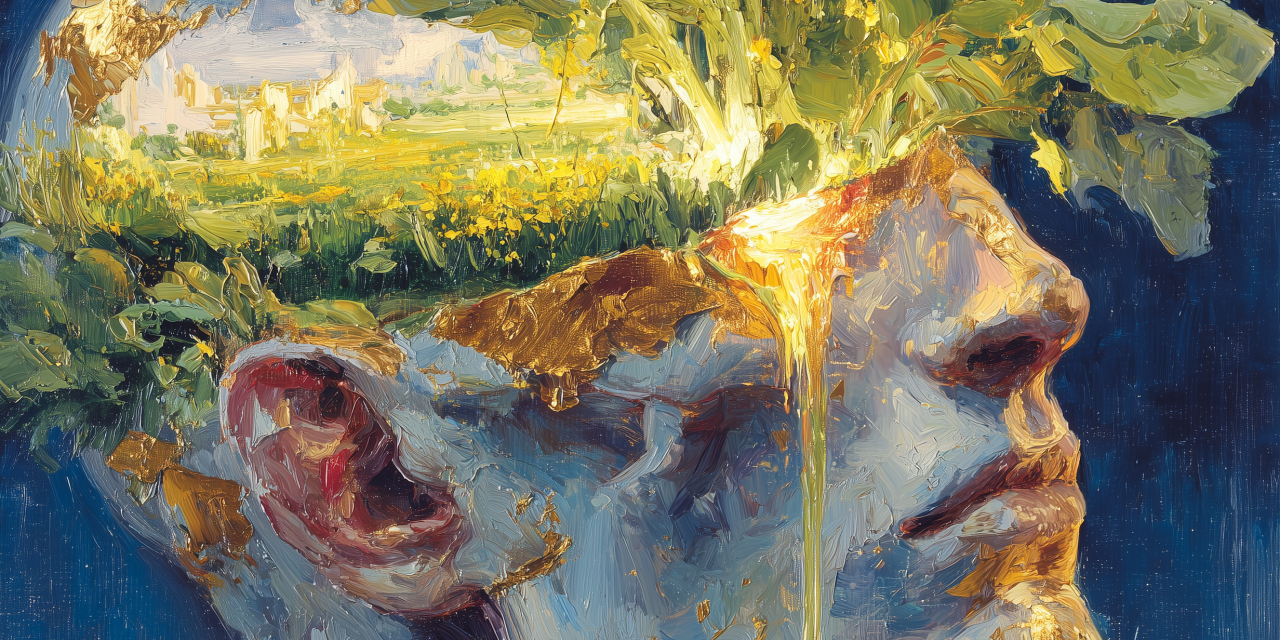
Still Feeding the Nation
When I was a child, I was taught that
“farmers are the backbone of the nation.”
But as I grew older, I began to see a different reality.
I saw some of the hardest-working people becoming some of the most financially vulnerable.
I saw farmers growing food for an entire country while struggling to survive themselves.
And the harder many of them work, the deeper they fall into debt.
The crisis faced by Thai farmers is not simply about a lack of knowledge.
Yes, many still rely on traditional agricultural methods and are unable to adapt quickly to changing economic systems. But the problem is also deeply tied to financial limitations. Many simply do not have the capital required to change, experiment, or recover.
Fertilizer costs, pesticides, fuel prices, land rent, climate change, and even global conflicts affecting oil and agricultural supply chains have all become additional burdens placed upon them.
At the same time, agricultural products continue to lose value in the market.
Ironically, the people who profit the most are often not the farmers themselves, but middlemen and larger market systems surrounding them.
Many times, I watch farmers livestreaming online, trying to sell their own produce directly to consumers at prices even cheaper than local markets. Whenever I see this, I try to support them immediately.
Because behind those low prices, I see exhaustion.
I see survival.
The people who nourish society are often the ones left carrying its heaviest weight.
As a result, many younger generations no longer wish to continue farming.
Not because they hate the land, but because they grew up witnessing endless labor, instability, and debt.
Perhaps what is disappearing is not only the profession itself, but an entire way of life — a relationship between humans and the earth that once defined generations.
This series was created from those emotions.
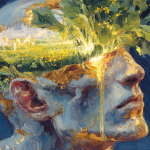
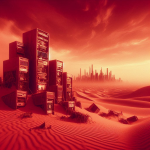
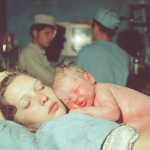
The human body merges with soil, water, roots, flowers, veins, and gold leaf — symbolizing people who dedicate their entire lives to feeding the world, even as they slowly break apart themselves.
Because sometimes, the beauty we consume is built upon the suffering we choose not to see.
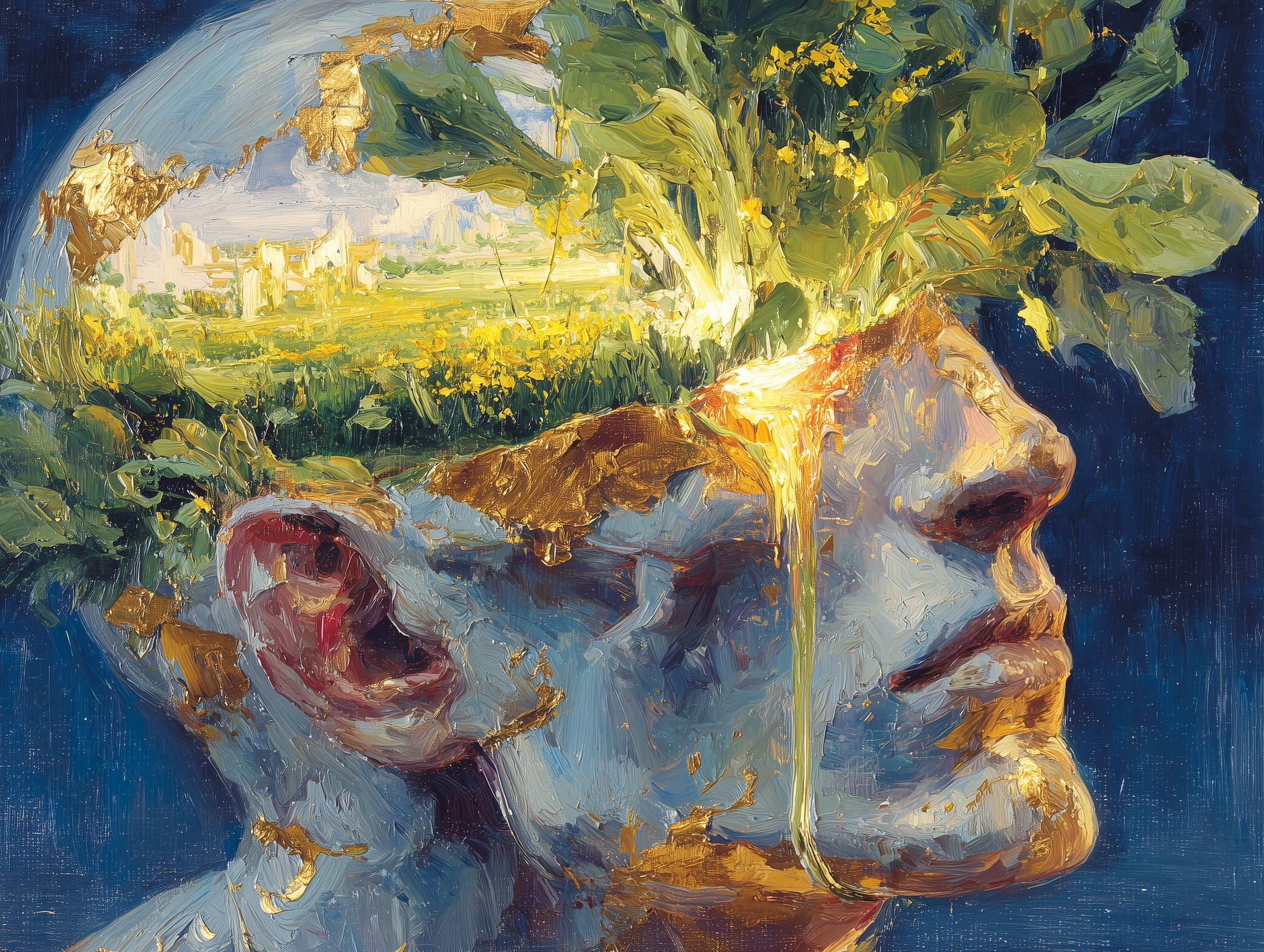
Still feeding the nation, even through silent tears.
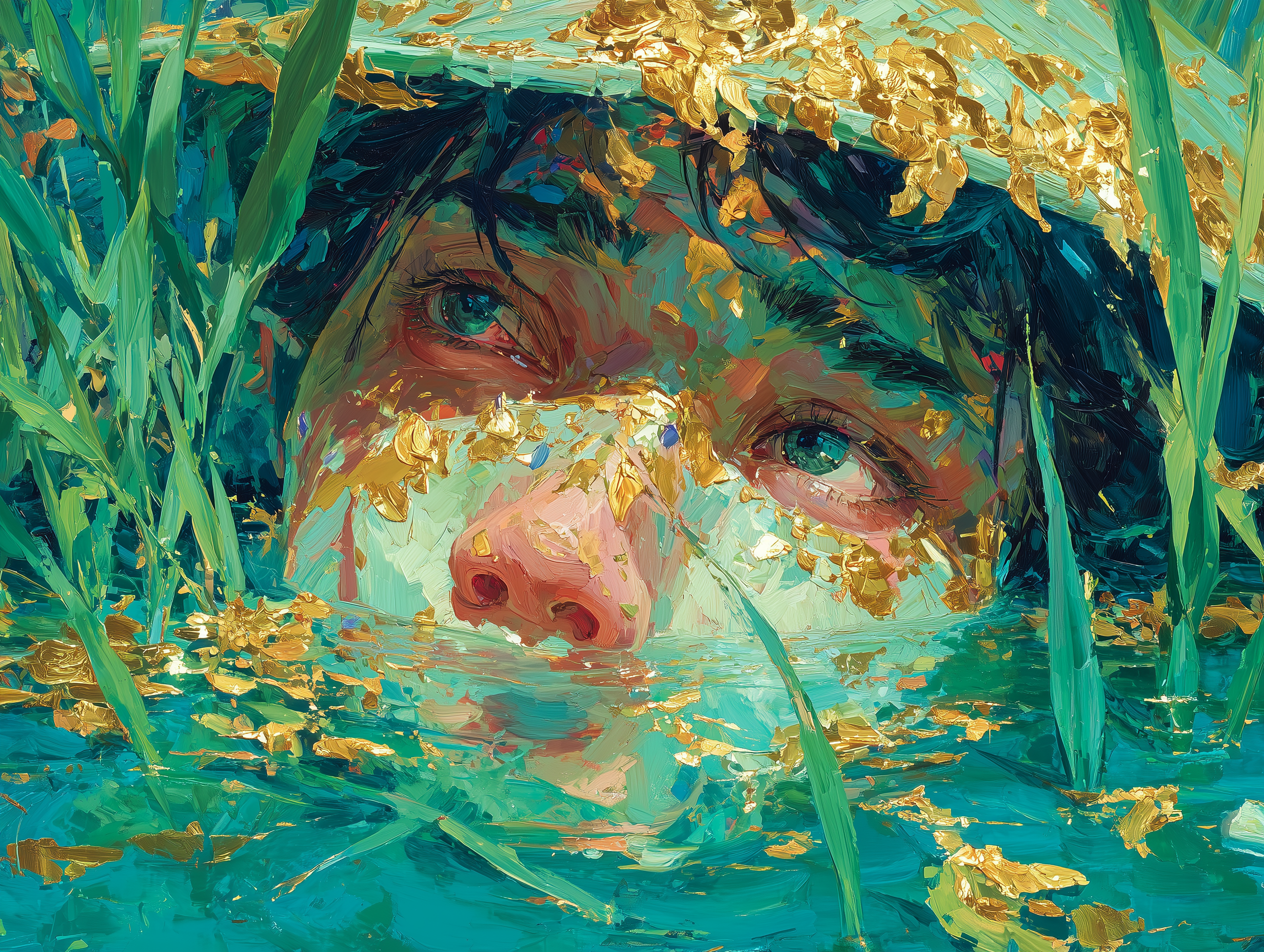
Drowning beneath the weight no one sees.
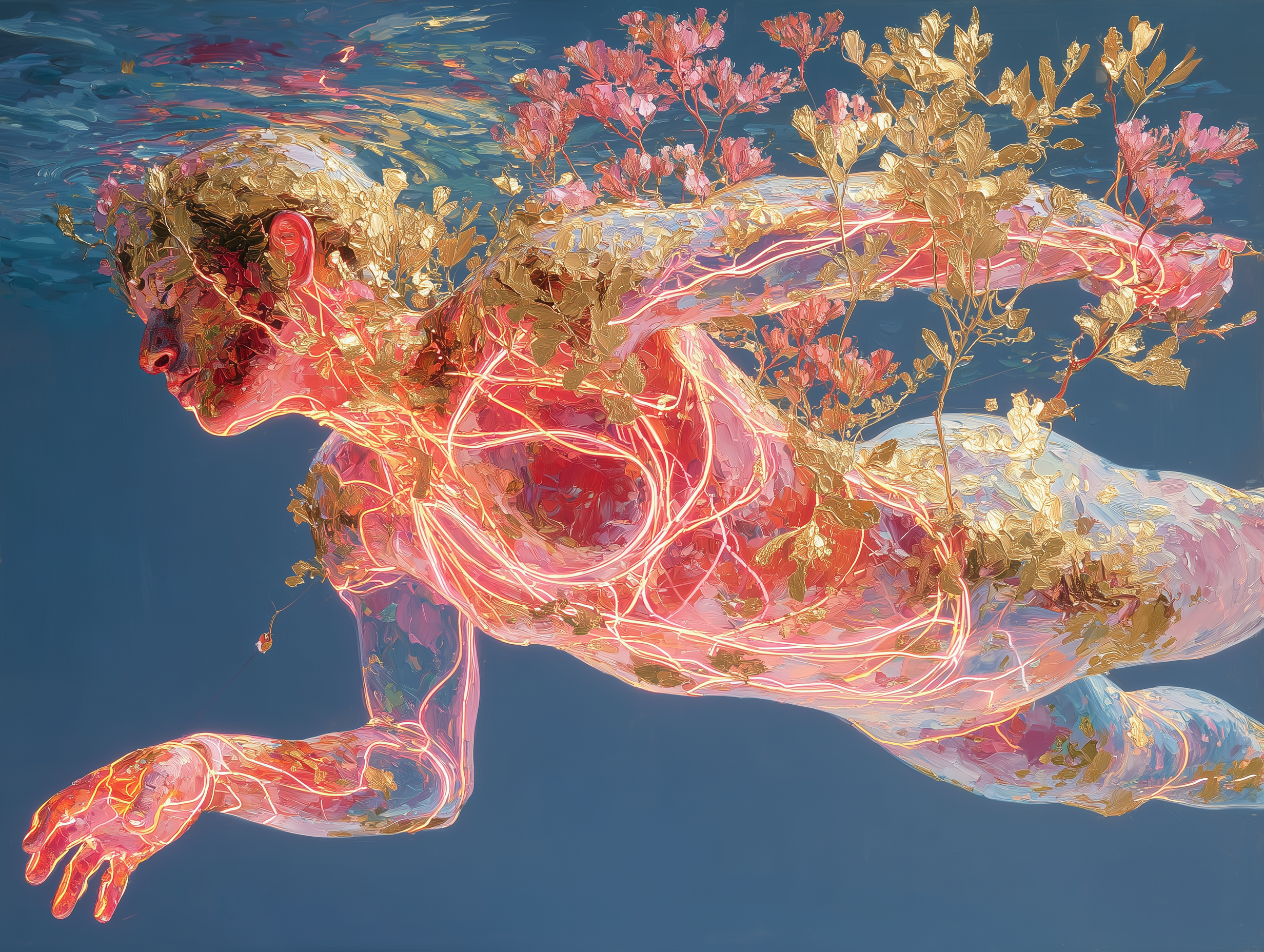
Survival becomes a language written through veins and roots.
Some burdens grow quietly inside us.
Even in ruin, life continues to bloom.



























Comments
I am also aware of the food waste, chemicals on them, the renting of land instead of owning it, necessary soil restoration, organicly grown produce benefits, and more relating to my conservation schooling.
We have the knowledge to do it all correctly (next to blessing the farmers), but can't seem to get the masses to care without directly experiencing the consequences first.
It's tragic.