
When Art Learns a New Language
In my country, the use of artificial intelligence in art has become a sensitive subject. As AI-generated images appear more frequently in exhibitions and online marketplaces, they are often met with skepticism. Some dismiss these works as low quality, unoriginal, or simply the result of copying—unworthy of being called “real art.”
I understand this reaction. Change often feels threatening, especially when it arrives quickly. But I believe the discomfort comes not from AI itself, but from our uncertainty about how to place it within our existing understanding of art.
Art has never been defined by its tools. It has always been defined by intention, context, and human experience. Brushes, cameras, digital software—each was once considered a disruption. Each was accused of making creation too easy, too mechanical, too detached from the artist’s hand. Over time, these tools did not erase art; they expanded it.
AI is no different.
The assumption that AI art requires no effort ignores the reality of the process. Creating meaningful AI-generated work still demands direction, refinement, patience, and vision. It involves choices—what to pursue, what to discard, what emotion or idea is worth shaping. A tool may assist, but it does not decide what should be said.
Copying and imitation are not problems unique to AI. They exist in every medium, including traditional painting and digital design. Removing AI from the conversation does not remove unethical practices. It simply shifts the focus away from responsibility and intention, where it truly belongs.
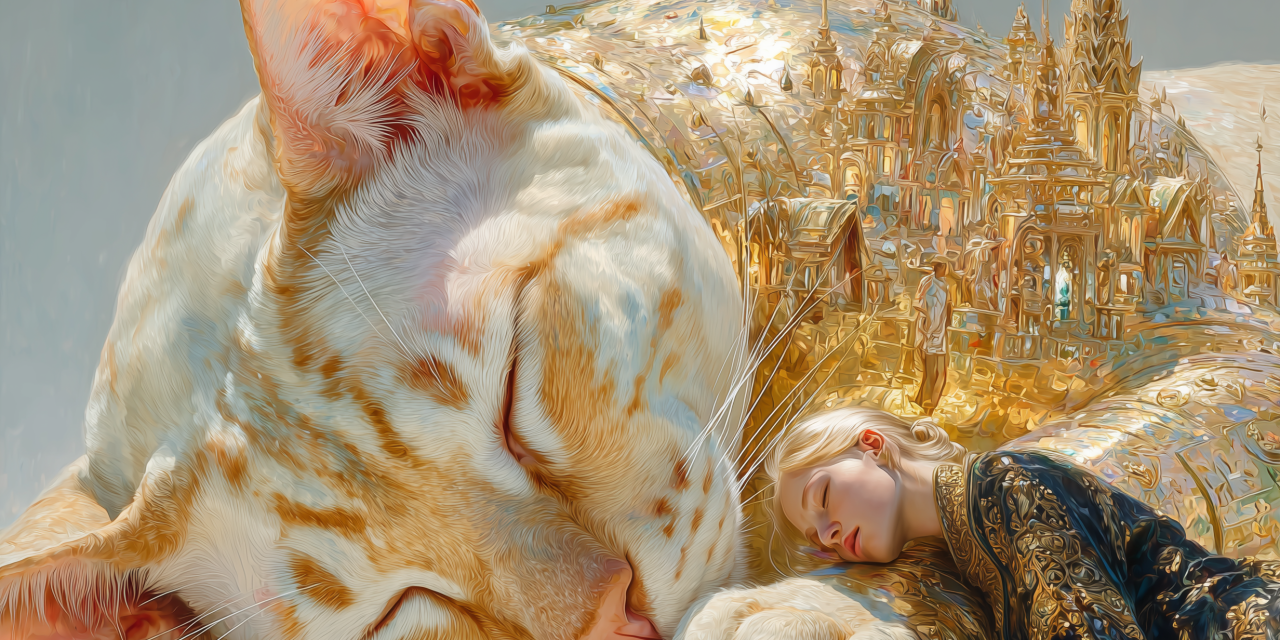
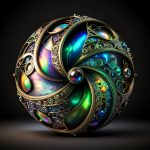
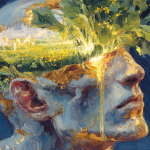
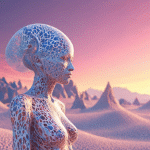
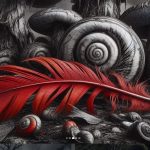
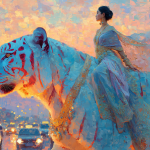
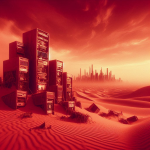
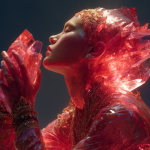
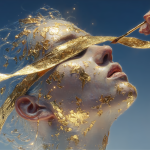
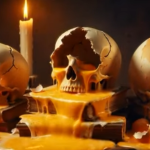
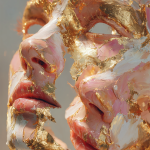
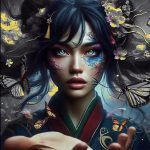
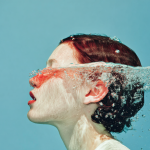
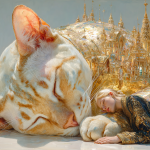
This body of work was inspired by something I encounter in daily life: cats sleeping inside small spirit houses. At first, the sight felt strange—almost inappropriate. But over time, it became familiar. The sacred meaning of the space did not disappear. It quietly adapted.
AI in art feels the same to me. It is not here to replace meaning, but to sit beside it—at first noticeable, then ordinary.
AI does not remove humanity from art. It reflects the humanity of the person guiding it. This work is not an argument against tradition, nor a defense of technology. It is simply a reflection of living through a transition.
Art evolves. And learning to coexist with that evolution is part of being human.









Comments